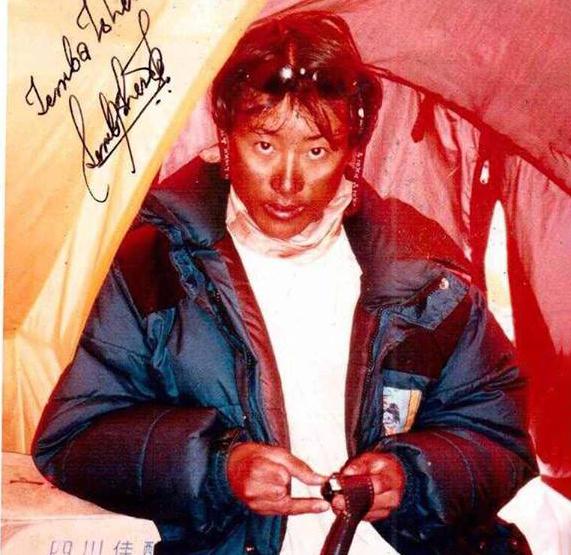
When people think of climbing Everest, the first thing they think about is the cost. Climbing the world’s highest mountain is not cheap — expeditions can run from around USD 30,000 to USD 160,000, averaging near USD 45,000. But money alone won’t get you up the mountain: you need to be committed to being in your best physical shape.
Basic fitness training should begin at least a year in advance, built around plenty of cardiovascular work. Fitness won’t protect you from altitude sickness or avalanches, but it will help your body use oxygen more efficiently — which is exactly what you’ll need most.
Prior experience on other mountains and peaks is a real advantage. Where possible, climb peaks like Island Peak and Lobuche beforehand for acclimatization — but don’t overexert yourself at altitude. Above roughly 5,000 metres, the body can no longer build muscle, and excess physical strain actually starts to break it down. My best advice is simple: prepare early, and prepare thoroughly.
As for the route itself, experienced mountaineers will tell you Everest isn’t especially technical. That doesn’t make it easy. Altitude sickness, harsh weather, high winds, avalanches, and the notorious Khumbu Icefall — with its deep, seemingly endless crevasses — are challenges no amount of money can remove.